How to Make Marmalade: Easy Classic Seville Orange Preserve
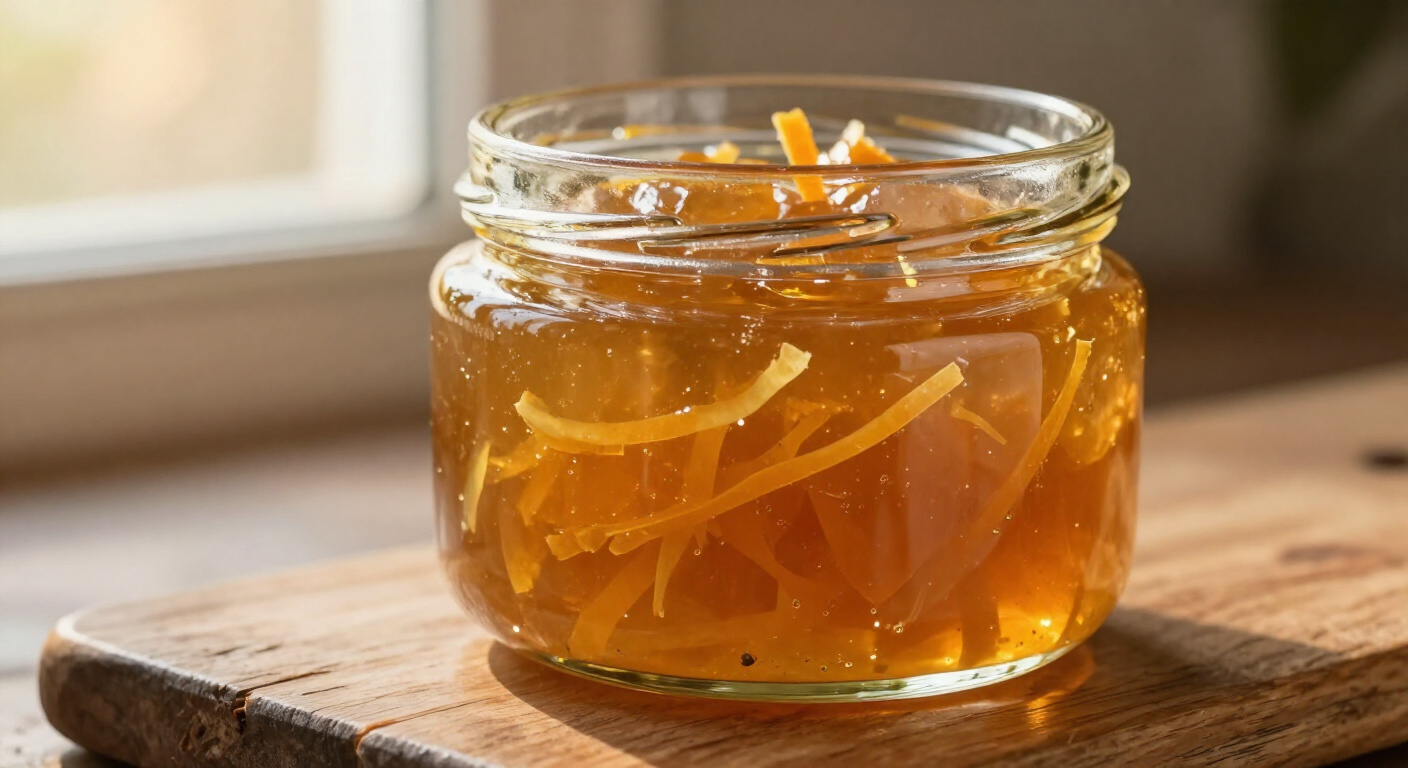
Learn how to make marmalade with just 3 ingredients: glossy, bittersweet Seville orange jars ready in 2¾ hours, set by my wife's frozen saucer test.
Learning how to make marmalade fills the kitchen with bittersweet orange steam, and in about 2¾ hours you'll have glowing amber jars. It's simpler than you'd think, just three ingredients and a cold saucer, perfect for a slow January weekend.
Simmering the oranges whole turns the peel silky before slicing, while boiling the pips releases natural pectin. Melting sugar slowly stops grittiness, and resting keeps every shred suspended.
Ingredients You'll Need
Seville Oranges: These knobbly, bitter oranges are the soul of proper marmalade. Their thick peel and pips are packed with pectin, so your jars set beautifully without help. No Sevilles? Mix sweet oranges with a lemon or two for that sharp tang.
Cold Water: Plain cold tap water is what softens the whole fruit into silky, tender peel. It also pulls the pectin from the pulp and pips into a cloudy, fragrant liquid. Filtered water works just as well if your tap water tastes strongly of chlorine.
Granulated Sugar: Ordinary white sugar balances the oranges' bitterness and turns the liquid into glossy, amber syrup. It also preserves the marmalade, so don't cut it back. Preserving sugar is a lovely swap, since its larger crystals melt cleanly with less scum.


How to Make It (Step by Step)
It all happens in one big pan: soften whole oranges, shred the silky peel, then boil to a glossy set.
Never made a preserve before? Don't fret, because the frozen saucer tells you exactly when it's ready.

- Warm your jars in a low oven until they are bone-dry and too hot to touch bare-handed, 15-20 minutes at 275°F / 140°C. Pop two saucers in the freezer now for the setting test later.

- Simmer the whole scrubbed Seville oranges in the cold water, lid on, until a fork slides through the skin with no resistance, 1½-2 hours at a gentle simmer (200°F / 93°C). The kitchen will smell like a sunny Seville street.

- Lift the oranges onto a board and leave them until cool enough to handle, about 20 minutes at room temperature (70°F / 21°C). Halve each one and scoop the soft pulp and pips back into the cooking liquid.

- Boil the pulp and pips in the liquid until it turns cloudy and slightly syrupy, 10 minutes at 212°F / 100°C. That cloudiness is pectin, the magic that makes marmalade set.

- Slice the soft peel into thin shreds about ⅛ inch (3 mm) wide, keeping them as even as you can, 10-15 minutes at room temperature (70°F / 21°C). The peel should feel silky and give way under the knife.

- Strain the pulpy liquid through a sieve back into the pan, pressing hard on the pulp, then stir in the peel until it floats evenly, about 5 minutes at room temperature (70°F / 21°C).

- Stir in the sugar over low heat until every grain melts and the syrup coats the spoon smoothly, 10-15 minutes at about 180°F / 82°C. No grittiness on the back of the spoon means you're ready.

- Boil hard until the marmalade reaches setting point and a spoonful on a frozen saucer wrinkles when nudged, 15-25 minutes at 220°F / 104°C. My wife swore by the saucer. So do I.

- Rest the marmalade off the heat until a thin skin forms and the peel stays suspended, 10-15 minutes at room temperature (70°F / 21°C). Skim any foam with a spoon.

- Ladle the marmalade into the warm jars and seal them straight away until the lids feel snug, 10 minutes at room temperature (70°F / 21°C). Listen for that lovely little pop as they cool.

Sealed jars keep a year, opened ones a month chilled, and lemons plus sweet oranges stand in for Sevilles. Freeze whole oranges months ahead, and test early, since overboiling turns it dark and stiff.
Serving size: 1 portion · Calories: 50 · Total Fat: 0g · Saturated Fat: 0g · Carbs: 13g · Fiber: 0.2g · Sugar: 12g · Protein: 0.1g · Sodium: 3mg
Tips and Tricks
- Equipment: Use a wide, heavy-based preserving pan. A broad pan gives the syrup more surface to steam off. It reaches setting point faster, so the peel stays bright and tender. Fill it no more than halfway, because a hard boil climbs fast.
- Temperature precision: Aim for 220°F / 104°C, then trust the saucer. A sugar thermometer tells you when you're close. The frozen saucer has the final word. Start testing a few degrees early. Push the spoonful gently, and look for a wrinkled, glossy skin. My wife never needed the thermometer, but I like the reassurance.

- Common mistake: Boiling before the sugar fully melts. Rushing the hard boil while grains remain leaves the marmalade gritty and crystallised. Keep the heat low and stir patiently. Check the back of the spoon. When it's smooth and velvety, you're ready to boil hard.
- Flavour upgrade: Add a splash of whisky at the end. Stir in a tablespoon or two after setting point, just before resting. It adds a warm, smoky depth to the bittersweet orange. It's perfect on a cold-morning crumpet.
- Texture tip: Keep the shreds thin and even. Aim for neat ⅛ inch (3 mm) slices. Even shreds cook at the same rate, so every one stays soft and silky. Then let the pan rest before jarring. The peel will hang beautifully suspended instead of sinking.

Frequently Asked Questions
Can I make marmalade with less sugar or a sugar-free sweetener?
You can cut the sugar to 1.5 kg (3 lb 5 oz) for a softer set, but eat opened jars within three weeks. For deeper flavour, swap 250 g (9 oz) for light muscovado; stevia or erythritol won't set without added pectin.
Can I split marmalade-making over two days, or freeze the shredded peel?
Yes, once the peel is stirred into the strained liquid, cool it and chill it covered for up to 2 days, or freeze it for up to 3 months. Thaw it overnight in the fridge, then warm it gently to 180°F / 82°C before stirring in the sugar.
Why won't my marmalade set even after boiling it for twenty-five minutes?
Usually the boil wasn't hard enough or the pips weren't boiled long enough to release pectin. Return it to a rolling boil at 220°F / 104°C, testing on a frozen saucer every 3 minutes until it wrinkles firmly, and add a squeezed lemon's juice if it still stays runny.
What to Serve With This
- Hot Buttered Sourdough Toast: The crackly, golden crust and salty, melting butter soften the bittersweet bite of the silky peel shreds.
- Warm Buttermilk Scones with Clotted Cream: Velvety cream and a tender, fluffy crumb calm the sharp Seville tang, just as my wife served them.
- Sharp Mature Cheddar: Crumbly, savoury cheese against glossy, sweet-bitter marmalade is a proper old British contrast worth trying.
- Thick Greek Yoghurt: Its cool, creamy tartness lifts the deep amber sweetness for a bright, gentle breakfast bowl.

How to Make Marmalade: Easy Classic Seville Orange Preserve
Breakfast / British
- Prep
- 45 min
- Cook
- 2 h
- Total
- 2 h 45 min
- Servings
- 48
- Calories
- 50 kcal
Ingredients
- 1 kg (2 lb 4 oz) Seville oranges (about 8 to 10), scrubbed and stalks removed
- 2.5 litres (4½ pints) cold water
- 2 kg (4 lb 8 oz) granulated sugar
Instructions
- Warm your jars in a low oven until they are bone-dry and too hot to touch bare-handed, 15-20 minutes at 275°F / 140°C. Pop two saucers in the freezer now for the setting test later.
- Simmer the whole scrubbed Seville oranges in the cold water, lid on, until a fork slides through the skin with no resistance, 1½-2 hours at a gentle simmer (200°F / 93°C). The kitchen will smell like a sunny Seville street.
- Lift the oranges onto a board and leave them until cool enough to handle, about 20 minutes at room temperature (70°F / 21°C). Halve each one and scoop the soft pulp and pips back into the cooking liquid.
- Boil the pulp and pips in the liquid until it turns cloudy and slightly syrupy, 10 minutes at 212°F / 100°C. That cloudiness is pectin, the magic that makes marmalade set.
- Slice the soft peel into thin shreds about ⅛ inch (3 mm) wide, keeping them as even as you can, 10-15 minutes at room temperature (70°F / 21°C). The peel should feel silky and give way under the knife.
- Strain the pulpy liquid through a sieve back into the pan, pressing hard on the pulp, then stir in the peel until it floats evenly, about 5 minutes at room temperature (70°F / 21°C).
- Stir in the sugar over low heat until every grain melts and the syrup coats the spoon smoothly, 10-15 minutes at about 180°F / 82°C. No grittiness on the back of the spoon means you're ready.
- Boil hard until the marmalade reaches setting point and a spoonful on a frozen saucer wrinkles when nudged, 15-25 minutes at 220°F / 104°C. My wife swore by the saucer. So do I.
- Rest the marmalade off the heat until a thin skin forms and the peel stays suspended, 10-15 minutes at room temperature (70°F / 21°C). Skim any foam with a spoon.
- Ladle the marmalade into the warm jars and seal them straight away until the lids feel snug, 10 minutes at room temperature (70°F / 21°C). Listen for that lovely little pop as they cool.
Share this article
About the author
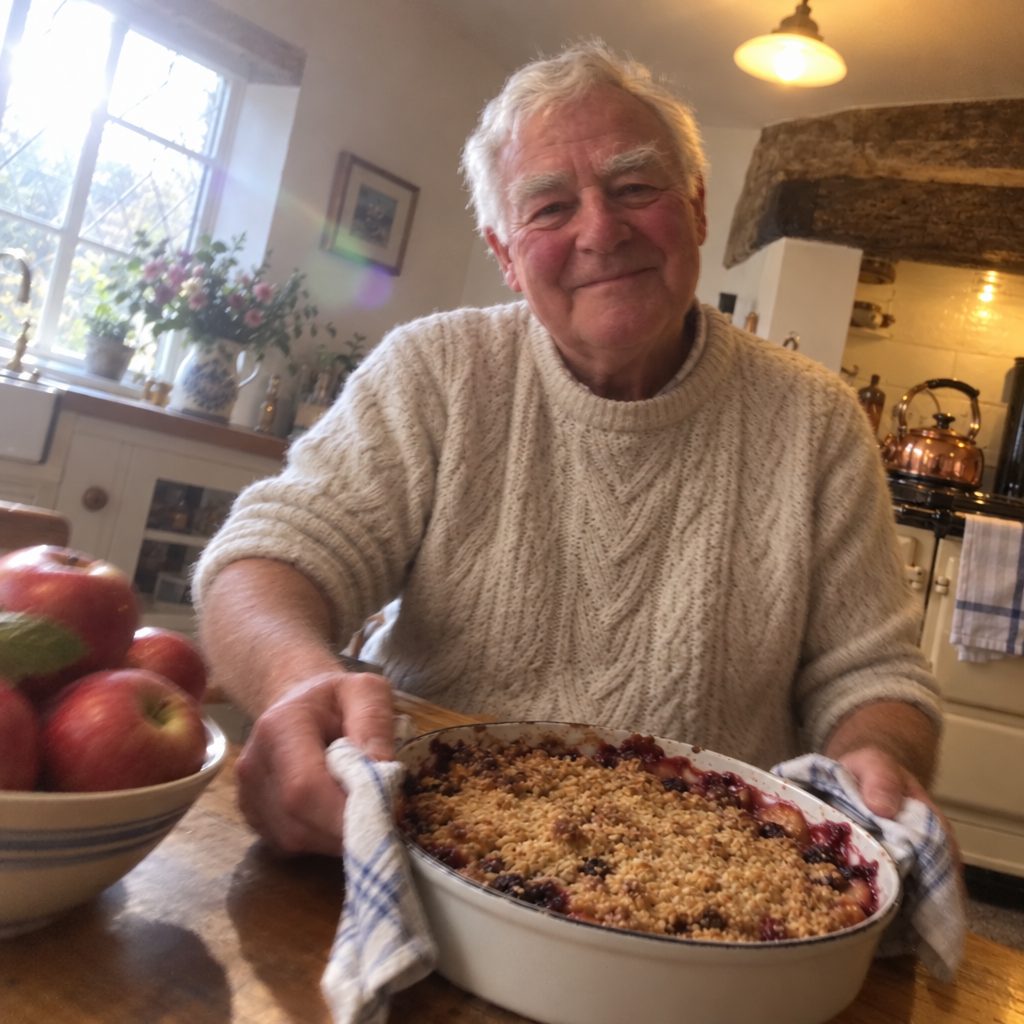
Arthur Pendry
Arthur lost his wife of forty years in the spring, and the orchard she planted kept fruiting as if nothing had happened. So he learned her crumbles, badly at first, then well. Every dish that comes out of the Aga is a conversation he is not ready to end.